
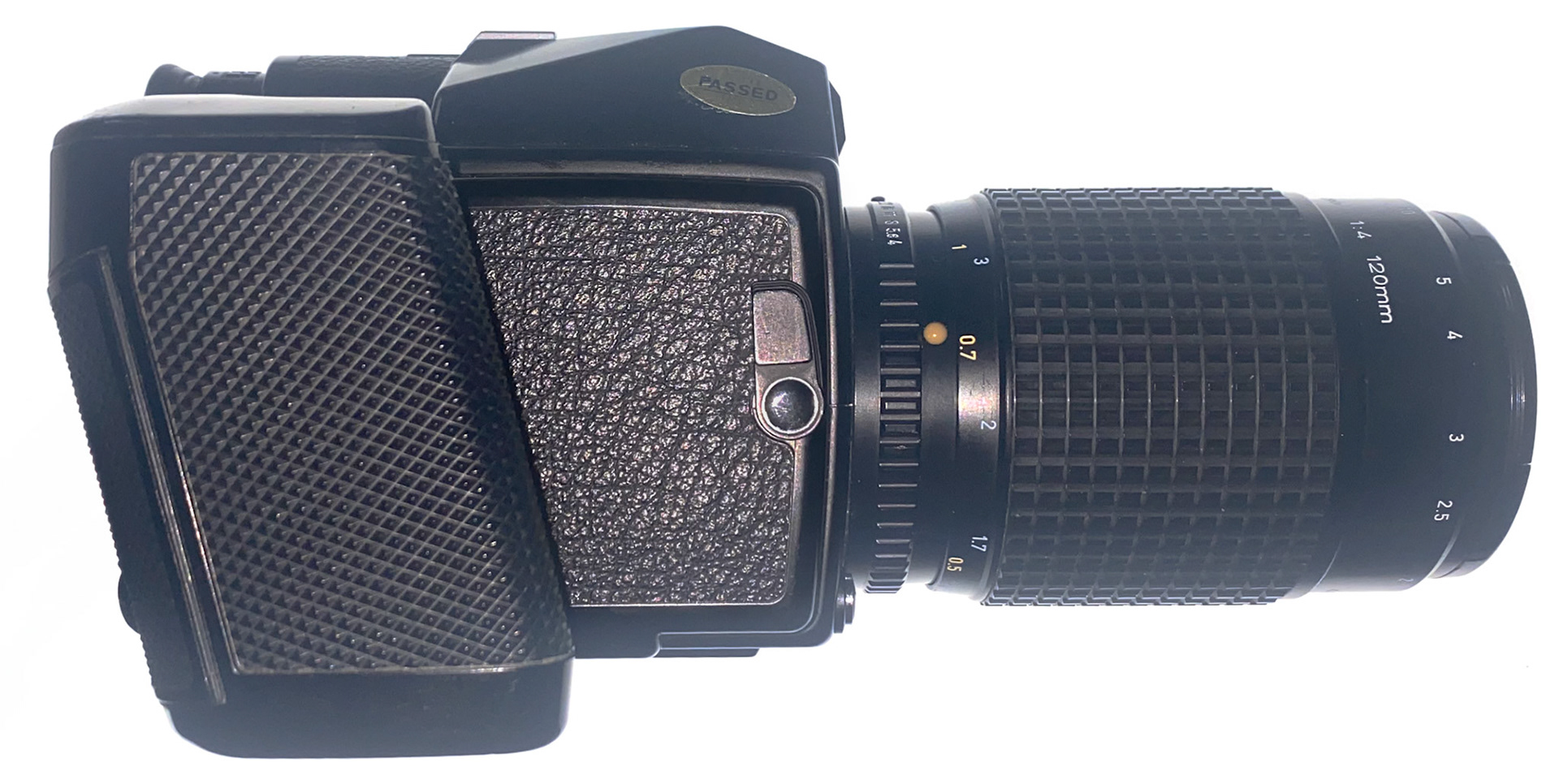
Pentax 645 wit the SMC Pentax-A 645 120 mm macro
The Pentax 645 is my most modern analogue camera, and that alone gives it a slightly different place in my collection. Where many older cameras ask for a slower and more mechanical approach, the Pentax 645 brings a level of convenience that feels almost generous in the world of medium format film photography. It has a built-in light meter, aperture priority, and a design that feels much closer to a large 35mm SLR than to a traditional medium format camera.
And yet, despite that modern ease, it still gives me what I want from film: presence, texture, and the quiet satisfaction of making a physical negative.
A modern approach to medium format film photography
What makes the Pentax 645 so appealing is the way it balances practicality with the visual richness of medium format. It supports both 120 and 220 film, using different film inserts, and with a standard roll of 120 film I get 15 exposures. Those frames produce 6 × 4.5 cm negatives, a format that feels both elegant and efficient.
There is something very satisfying about that balance. The camera is more streamlined than many medium format systems, but the negatives still carry the depth and material beauty that make film so rewarding. For me, it is a camera that bridges two worlds: the relative speed of a modern SLR and the slower, more deliberate pleasures of analog photography.
Metering, shutter, and ease of use
One of the great strengths of the Pentax 645 is simply how easy it is to work with. The built-in light meter has never let me down, and that reliability matters. When I am working quickly, or when I want to stay focused on the subject rather than the mechanics, it allows me to trust the camera and stay present in the moment.
The camera uses a focal-plane shutter with speeds from 15 seconds to 1/1000 second, plus bulb mode, which gives it a useful range for both available light and more controlled work. Exposure information and settings are displayed on the LCD top plate, reinforcing the camera’s more modern character.
For some photographers, that electronic interface may feel less romantic than older all-mechanical cameras. I understand that. But there is also something deeply enjoyable about a camera that removes just enough friction to let the act of seeing come forward.
Embarrassingly loud, but lovable
The Pentax 645 is a joy to shoot — unless silence matters.
This camera is loud. Very loud.
Its built-in motor drive automatically advances the film, and it does so with a sound that is impossible to ignore. The first time you press the shutter during a portrait session, there is a good chance your subject will look surprised. Possibly even alarmed. It is one of those camera traits that is slightly embarrassing and strangely endearing at the same time.
I have come to see that noise as part of the camera’s personality. It is not discreet, but it is confident. It announces the photograph. In quieter settings that can be a disadvantage, but in other situations it simply becomes part of the experience.
Images made with the Pentax 645
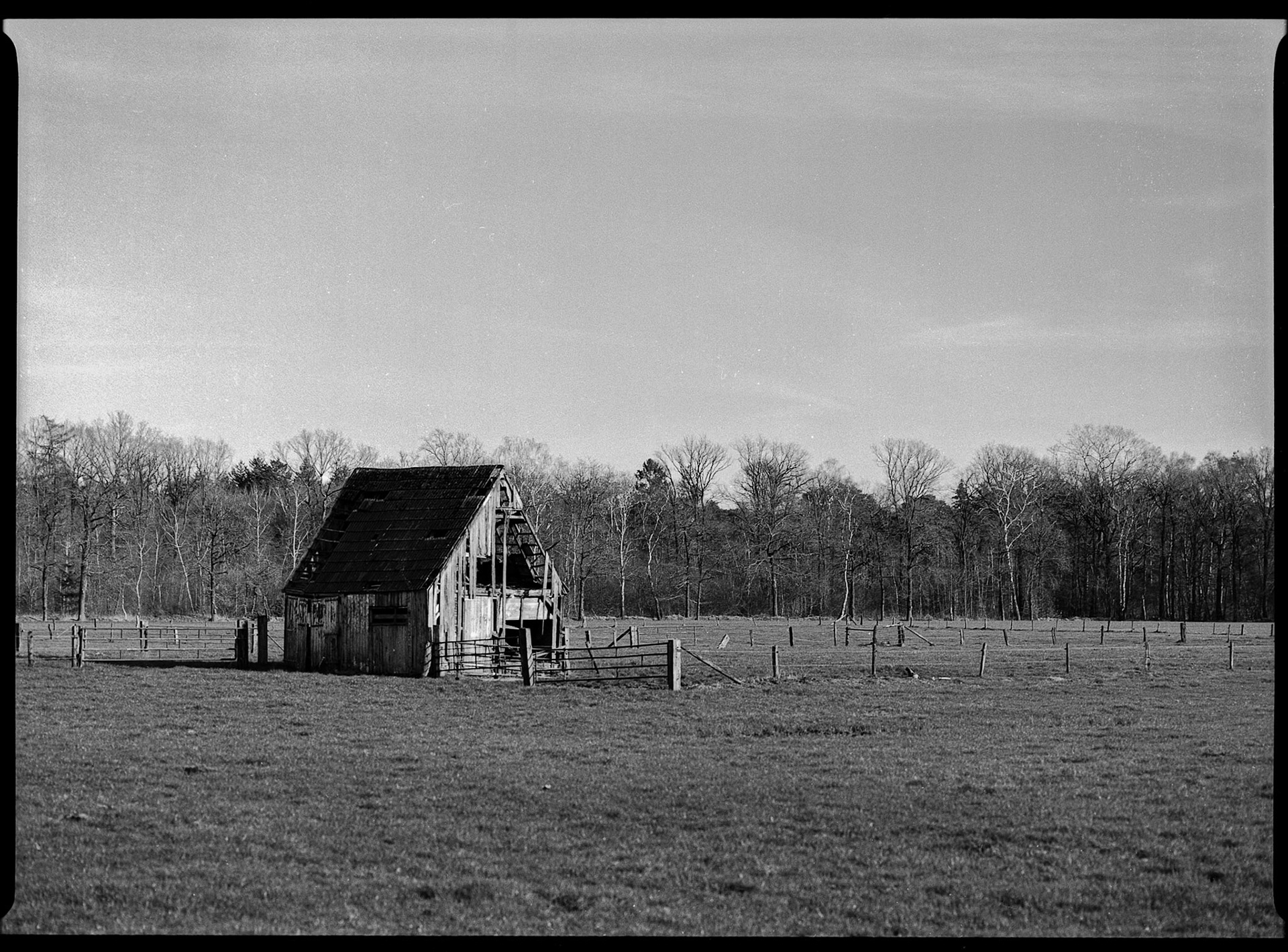
Old shed shot with Pentax 645
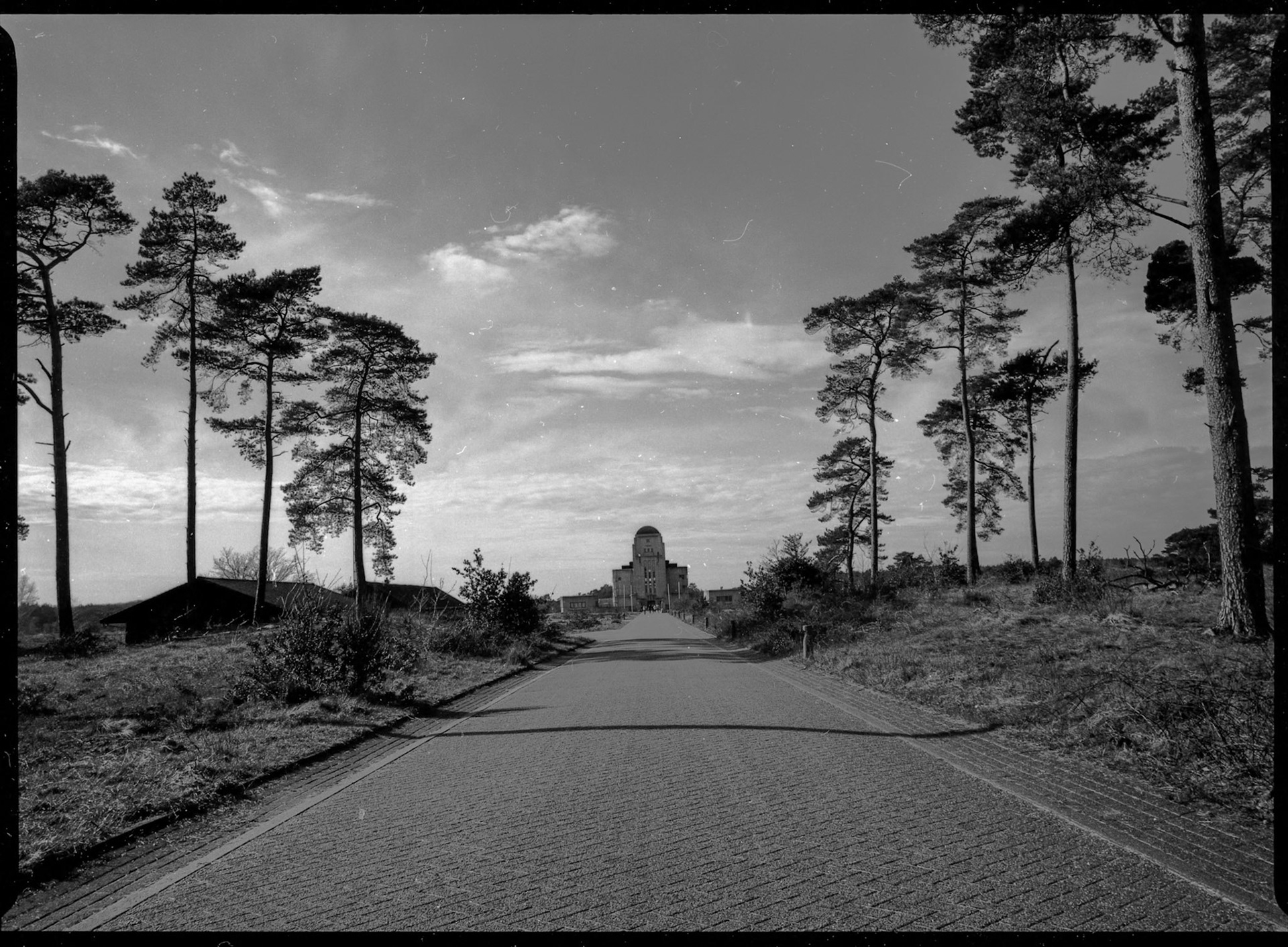
Radio Kootwijk - Pentax 645
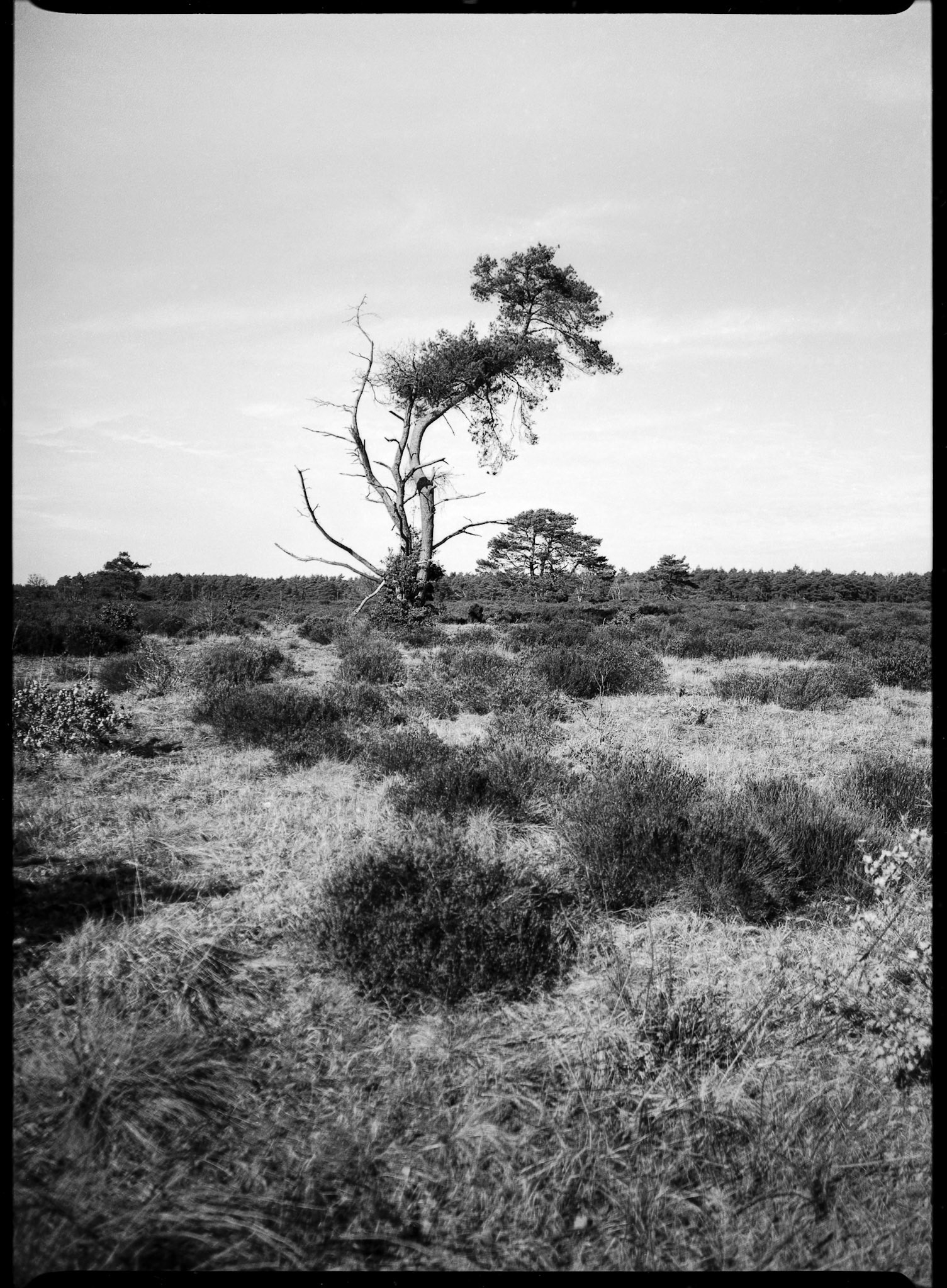
Landscape in black and white - Pentax 645
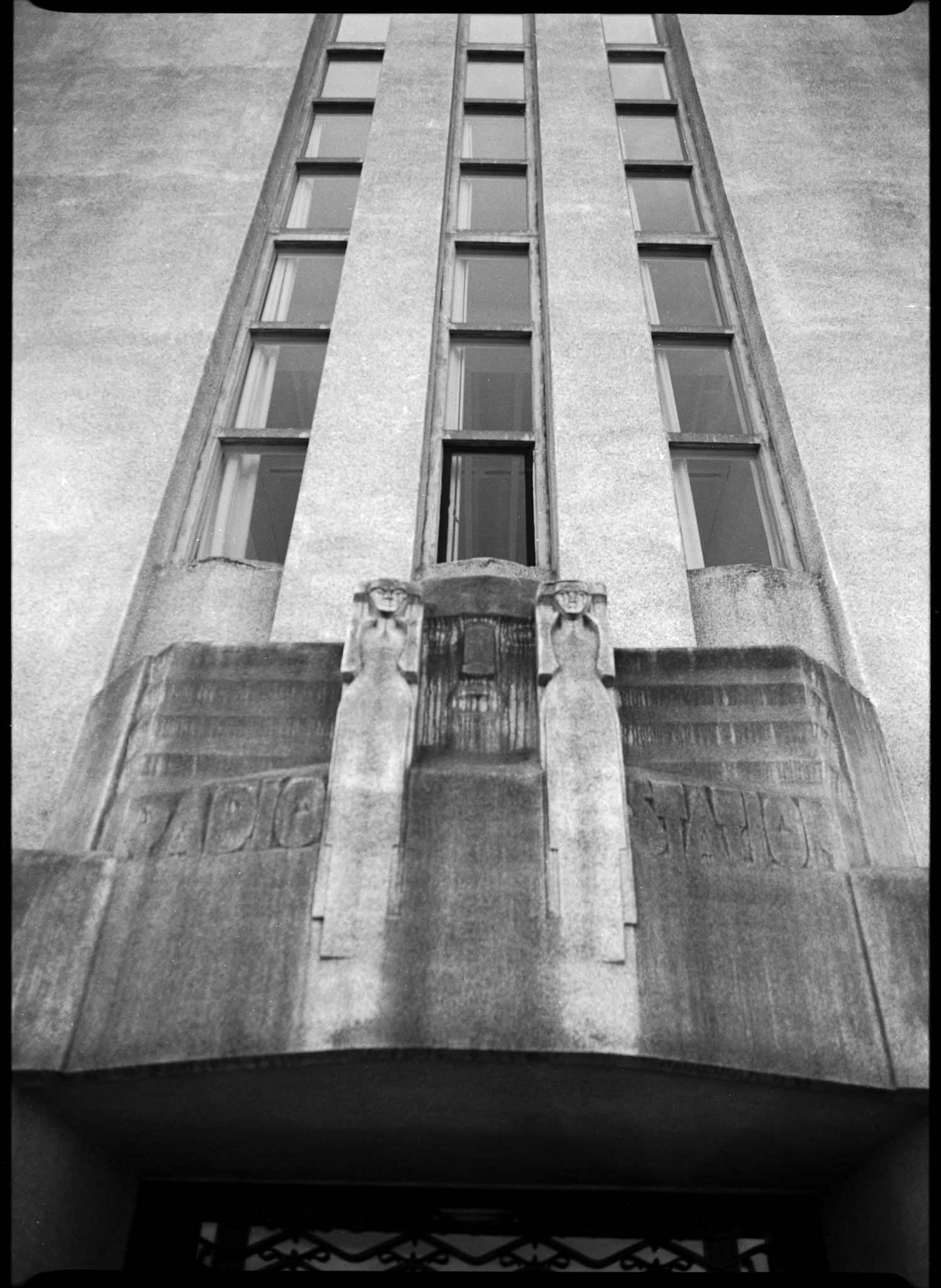
De kathedraal Kootwijk - Pentax 645

Portrait Father - Pentax 645

Portrait Son - Pentax 645

Portrait Daughter - Pentax 645
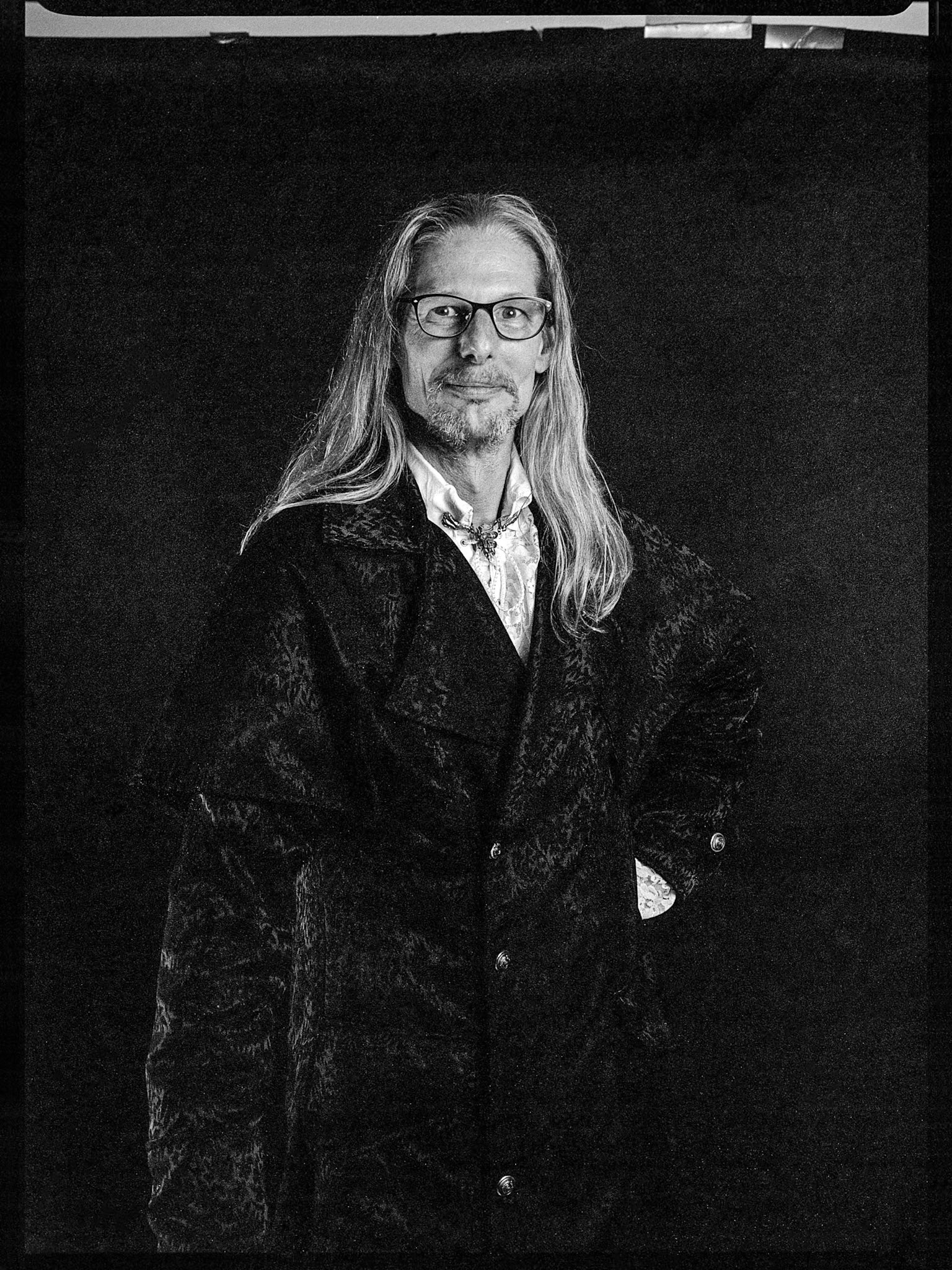
Portrait Ivo - Pentax 645
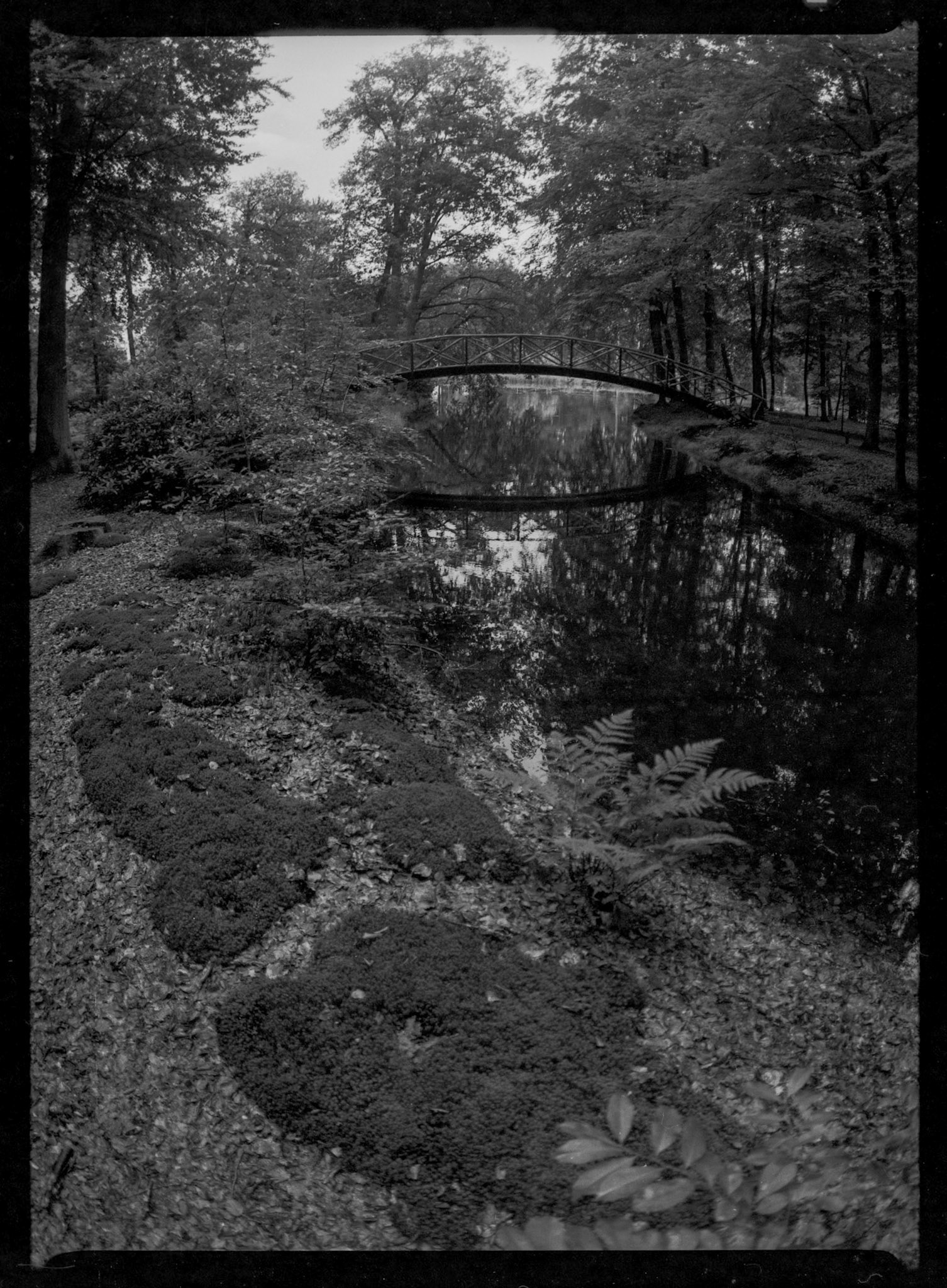
Zodiak-8 Fisheye on Pentax 645
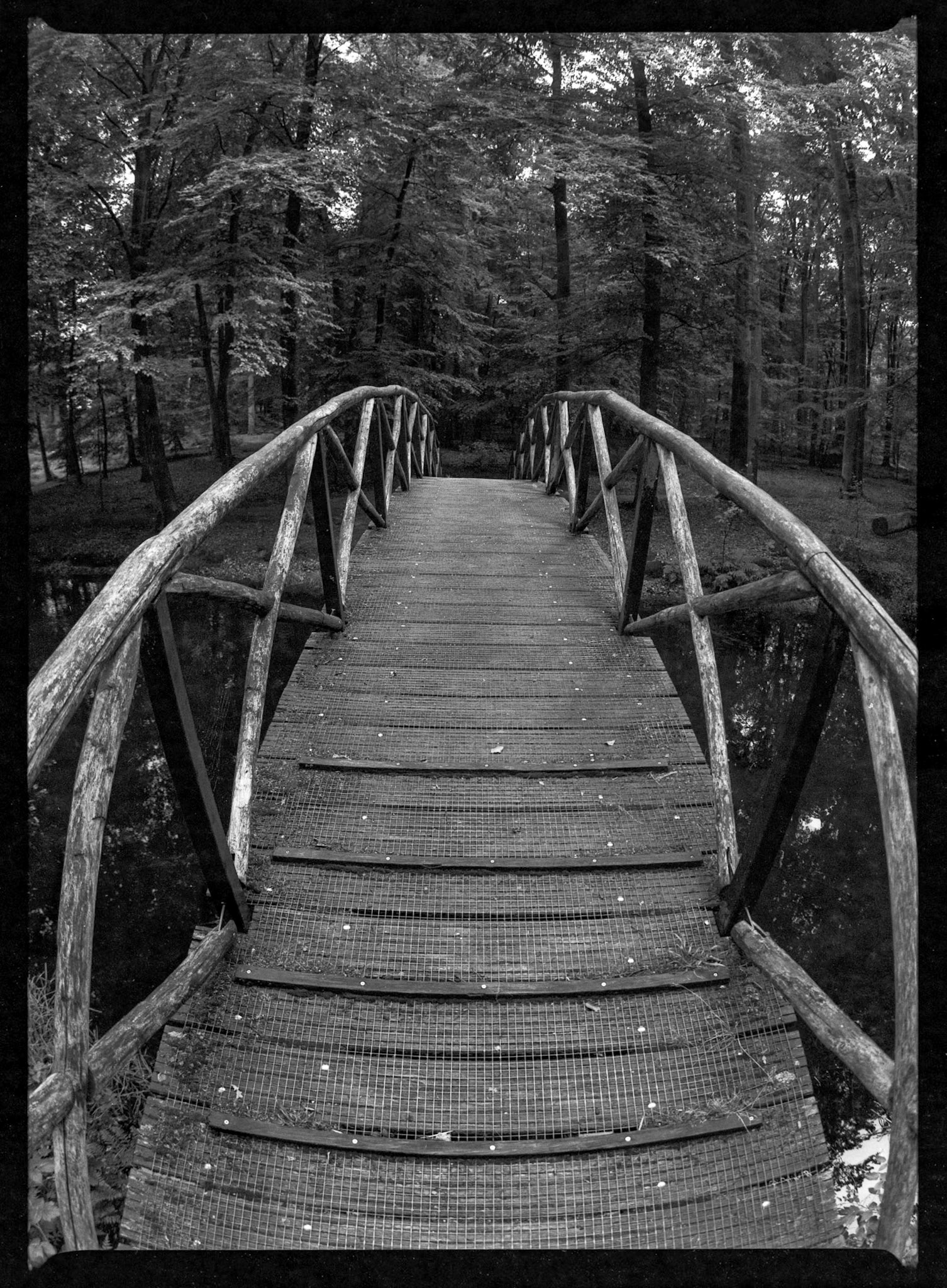
Zodiak-8 Fish-eye on Pentax 645
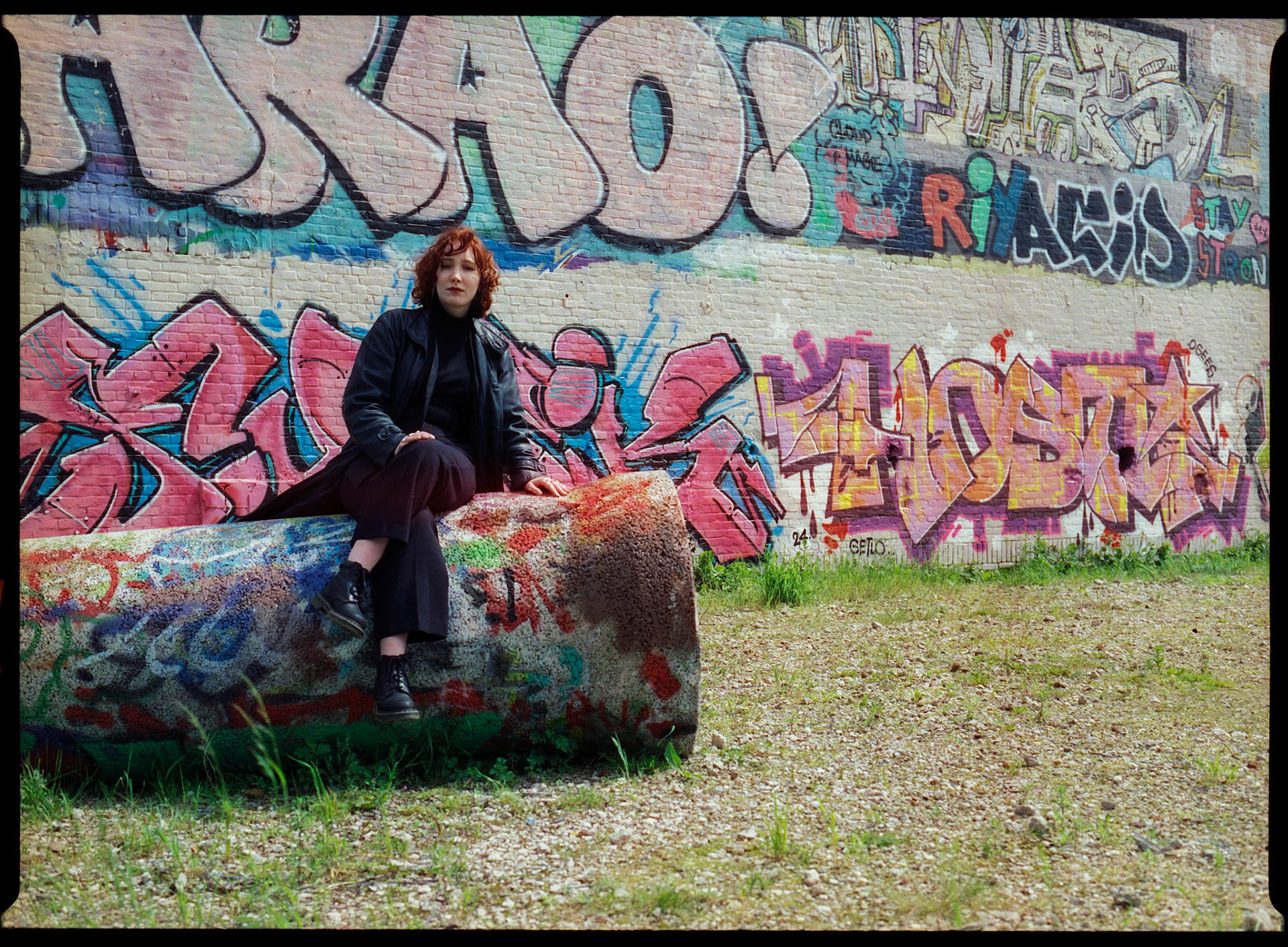
Model shoot - Pentax 645
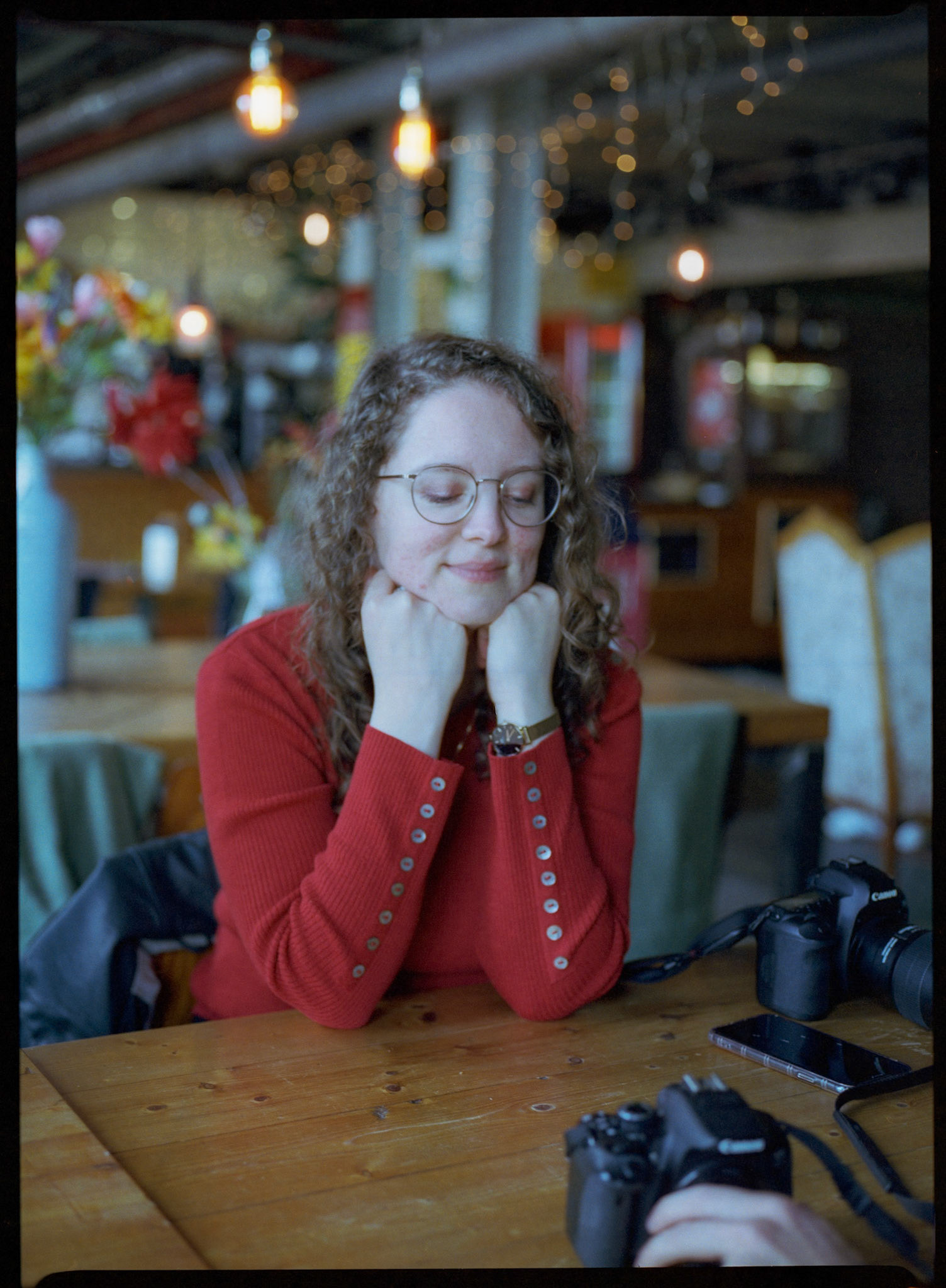
Eva - Pentax 645
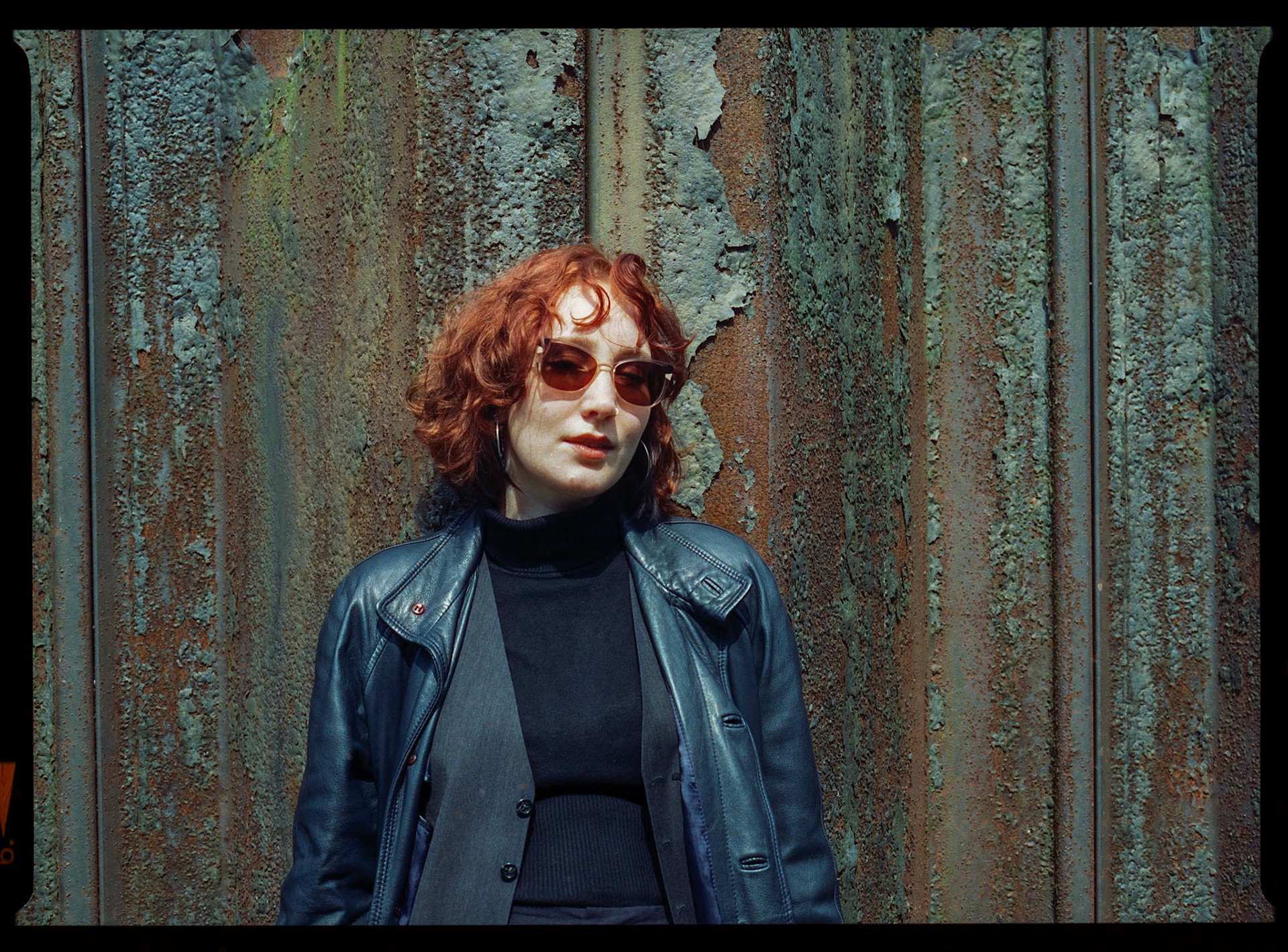
Model shoot - Pentax 645
Grip and handling
Another unusual feature is the integrated right-hand grip. At first glance it may seem like an odd design choice, but in practice it makes a lot of sense. The Pentax 645 is not a light camera, and the grip makes it much more comfortable to hold and use over a longer period.
That comfort matters more than it might seem. A camera that sits well in the hand invites use, and the Pentax 645 does exactly that. The grip also houses six AA batteries, which power the camera. It is not a romantic detail, perhaps, but it is a practical one, and practicality is part of what this camera does so well.
Using the Pentax 645 in the studio
The camera also includes a PC sync port, which allows me to use external flash units in the studio. That makes it a strong option for portrait work and controlled lighting setups. Its maximum flash sync speed of 1/60 second is not especially fast, but for studio work that is rarely a problem.
This is one of the reasons I value the Pentax 645. It adapts easily to different ways of working. It feels just as comfortable making portraits in a studio as it does photographing landscapes or personal work outdoors. That flexibility makes it a dependable part of my analog practice.
The look of Pentax 645 negatives
The 6x4.5 negatives from the Pentax 645 have a look I continue to enjoy. They retain the tactile depth and tonal richness I want from medium format, while the camera itself remains relatively direct and efficient to use. The distinctive negative borders add another layer of material presence, something I always appreciate in film photography.
For viewers who are drawn to traditional photographic processes — whether they are photographers, collectors, or gallery visitors — these details matter. A film negative carries evidence of process. It is not only an image, but a physical trace of how that image came into being. That material quality is part of what makes fine art film photography so enduring.
I own several lenses for this camera:
I own several lenses for this camera, which makes it a versatile system for different subjects:
• SMC Pentax-A 645 1:2.8 45mm wide angle
• SMC Pentax-A 645 1:2.8 75mm standard lens
• SMC Pentax-A 645 macro 1:4 120mm
• Pentax SMC Pentax-A 645 1:3.5 150mm
• Using 2 adapters I can also use my Arsat 30mm f/3.5 fisheye lens
• SMC Pentax-A 645 1:2.8 75mm standard lens
• SMC Pentax-A 645 macro 1:4 120mm
• Pentax SMC Pentax-A 645 1:3.5 150mm
• Using 2 adapters I can also use my Arsat 30mm f/3.5 fisheye lens
Together they give me a useful range for landscapes, portraits, details, and close-up work. The system feels flexible without becoming excessive, and that is something I appreciate.
Using two adapters, I can also mount my Arsat 30mm f/3.5 fisheye lens on the Pentax 645. For that setup I use:
• Kiev-88 to ARAX camera adapter ring (not needed if your lens has the Arax or P6 mount)
• Pentacon 6 to P645 adapter ring
• Pentacon 6 to P645 adapter ring
That combination opens up more experimental possibilities and gives the camera another creative dimension. I enjoy when a camera system allows both dependable everyday use and occasional visual play.
A camera I keep returning to
What I value most in the Pentax 645 is not that it is the most advanced camera I own, but that it makes medium format feel accessible without losing the soul of film. It offers convenience, reliability, and speed, but still leaves room for the tactile, reflective qualities that drew me to analog photography in the first place.
That combination makes it especially rewarding for portraiture, landscape work, and personal projects where I want the richness of medium format without too much interruption. It is a camera that fits naturally into the hand and into the process.
For anyone interested in medium format film photography, the Pentax 645 remains a compelling choice. It may be modern by analogue standards, but it still delivers what matters most: photographs with presence, material beauty, and a sense of care behind them.