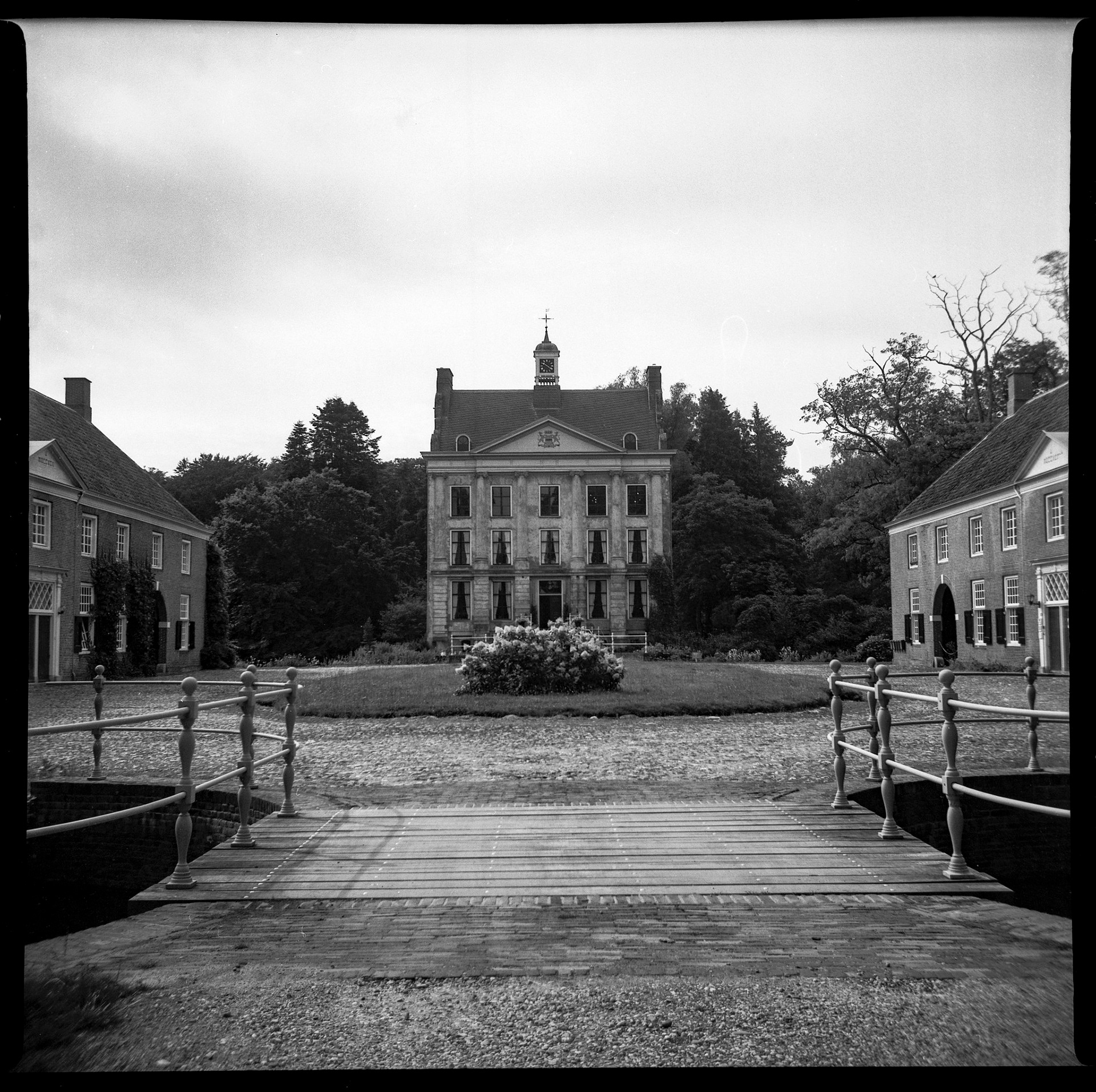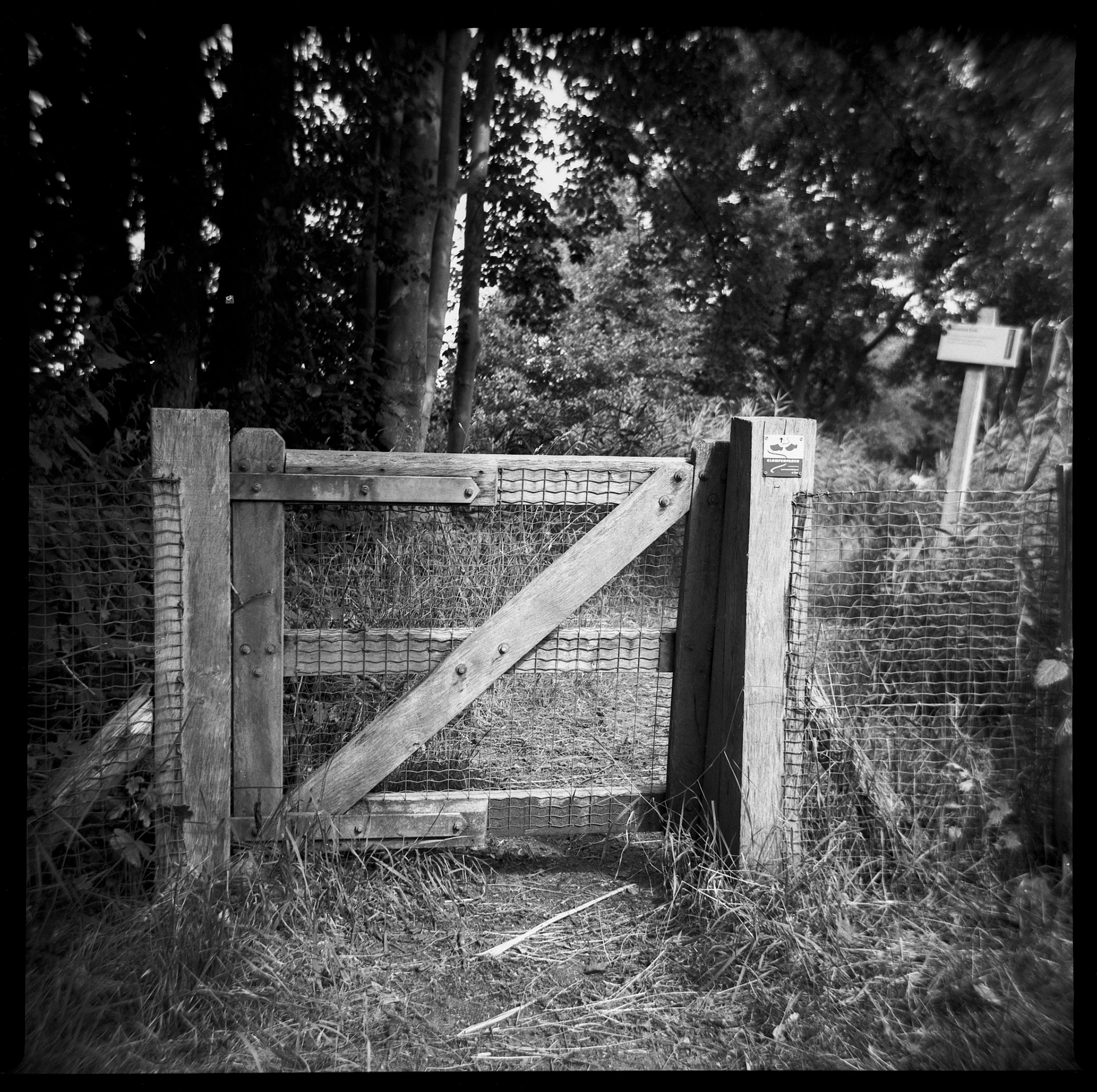
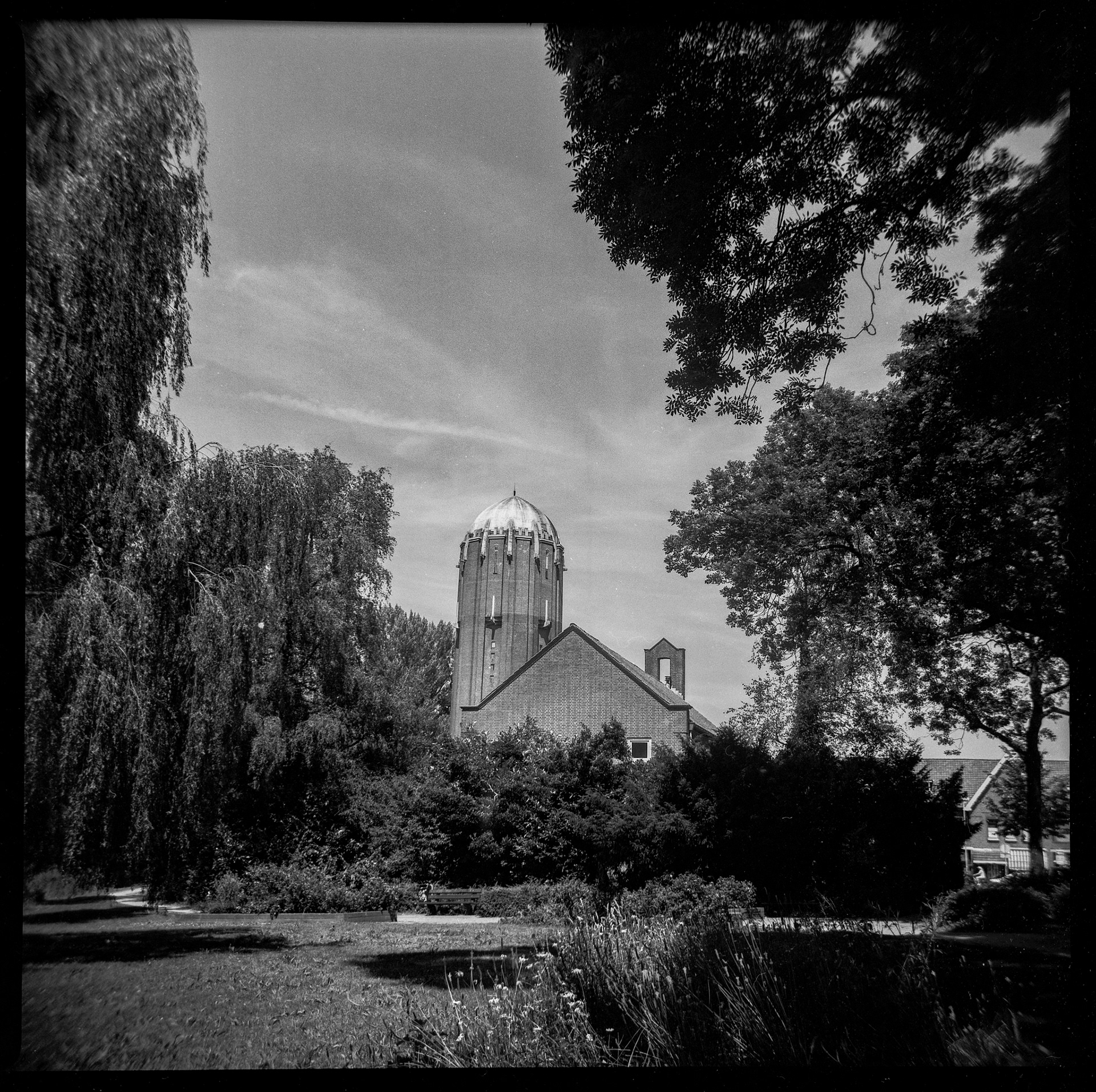
Photograph made with the Elioflex 2 vintage film camera
The Ferrania Elioflex 2 is one of those cameras that immediately catches the eye. At first glance, it looks like a classic twin-lens reflex camera, but in reality it is something simpler and more unusual: a pseudo TLR that borrows the form and charm of a TLR without offering a true reflex viewing system. That difference is part of what makes it interesting to me.
There are cameras that impress with precision, and there are cameras that win you over with character. The Elioflex 2 belongs firmly in the second group. It is modest, slightly playful, and unmistakably from another era. For anyone drawn to analog film photography, vintage design, and the tactile pleasure of older photographic tools, it has a quiet appeal that is hard to ignore.
A pseudo TLR with its own kind of charm
Although the Elioflex 2 imitates the look of a twin-lens reflex camera, the viewfinder is not a true reflex finder. Instead, it uses a large reflecting type viewfinder that gives a bright and enjoyable way of framing, but without focus indication. In practical terms, this means the camera asks for a slightly looser and more intuitive way of working.
Not every camera needs to be precise in the modern sense. Sometimes a camera becomes memorable because it changes the rhythm of seeing. The Elioflex 2 feels more playful than exact, and that can be refreshing. It encourages a way of photographing that is less about control and more about attention, timing, and accepting a little unpredictability.
The viewing experience
One of the most enjoyable things about this camera is the folding hood with its oversized brilliant finder. It gives the Elioflex 2 much of its visual personality and makes the act of composing an image feel tactile and direct. Built into the hood cover is also a fold-out, expandable wire-frame sports finder, which adds another layer of vintage practicality.
Using this camera is a reminder that older photographic tools often invite a more physical relationship with image-making. You do not simply point and shoot. You open, look, adjust, and respond. That slower interaction is one of the reasons I keep returning to film cameras like this.
Lens and design
The Ferrania Elioflex 2 is fitted with a 75mm f/6.3 Anastigmat lens. It is not a lens that announces itself with technical ambition, but it suits the camera well. The results feel honest and uncomplicated, which is very much in keeping with the spirit of the camera itself.
My version has a grey leatherette finish, which gives it a soft, understated look. It is not a luxurious camera in the way some better-known vintage models are, but it has a sincerity to its design that I find appealing. That matters more to me than prestige. Cameras like this often carry a kind of humble beauty, and that beauty comes through not only in how they look, but in how they ask to be used.
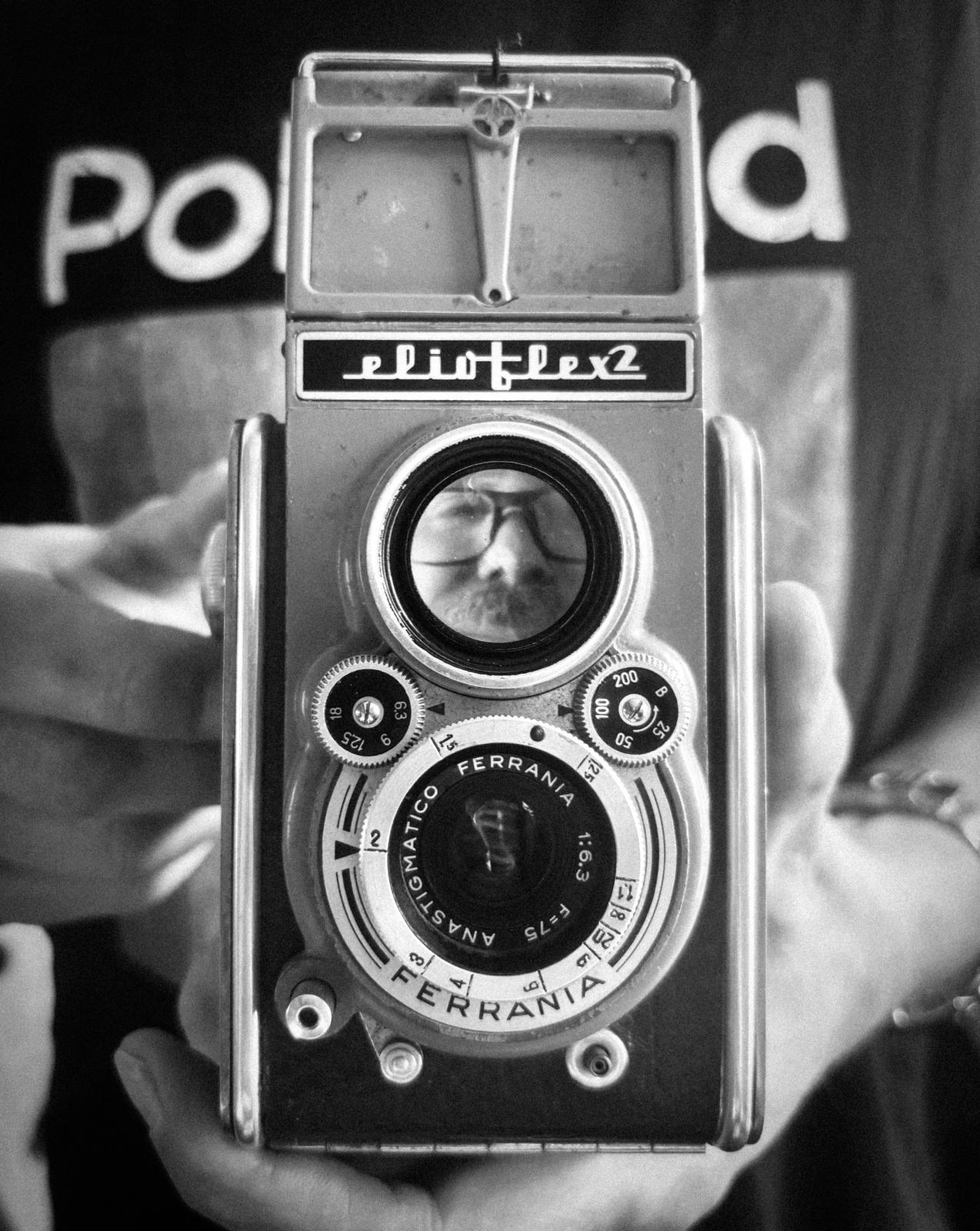
Portrait of me using the Ferrania Elioflex 2 and Ilford FP4 Plus
A personal moment with the Elioflex 2
By the time I was nearly at the end of a roll of Ilford FP4 Plus, I needed a few more frames and asked my son to model again. When I pointed the camera at him, he started laughing and then took a portrait of me instead. The simple mirror viewfinder works both ways, which made the moment even better.
That small exchange says something important about this camera. It has a disarming quality. It feels approachable, almost inviting. Some cameras create distance between photographer and subject, but the Elioflex 2 can do the opposite. It opens the door to moments that feel spontaneous, warm, and human.
For me, that is part of what analog photography is really about. Not only image quality, but experience. Not only the finished frame, but the memory of how it was made.
Image character and photographic possibilities
The photographs made with the Elioflex 2 have a certain simplicity that suits everyday subjects beautifully. Flowers, trees, grass, a tractor in the landscape, a quiet building in soft light — this camera seems especially at home with scenes that do not ask to be exaggerated. It responds well to ordinary beauty.
That quality makes it appealing not only to photographers who enjoy experimenting with vintage film cameras, but also to people who respond to a more contemplative visual style. For gallery visitors, art collectors, and those interested in fine art film photography, there is often something meaningful in images that feel grounded, tactile, and unforced.
Film has a way of holding atmosphere differently from digital capture. With a camera like the Elioflex 2, that feeling becomes even stronger. The process is slower, the imperfections remain visible, and the final photographs often carry a sense of presence that feels both physical and emotional.
Why I like the Ferrania Elioflex 2
The Elioflex 2 is not a camera I would describe as technically remarkable, and that is exactly why I enjoy it. It reminds me that photography does not always need to be about refinement, speed, or perfection. Sometimes it is enough for a camera to be engaging, tactile, and honest.
That may also be why cameras like this continue to appeal to people interested in analog photography and the material qualities of photographic craft. They connect image-making to touch, patience, and curiosity. They invite a slower way of seeing, and in doing so they often reveal something more personal.
The Ferrania Elioflex 2 may be simple, but it has character, and character goes a long way. For me, it is one of those cameras that makes photography feel light, human, and enjoyable again.
Images taken with the Elioflex
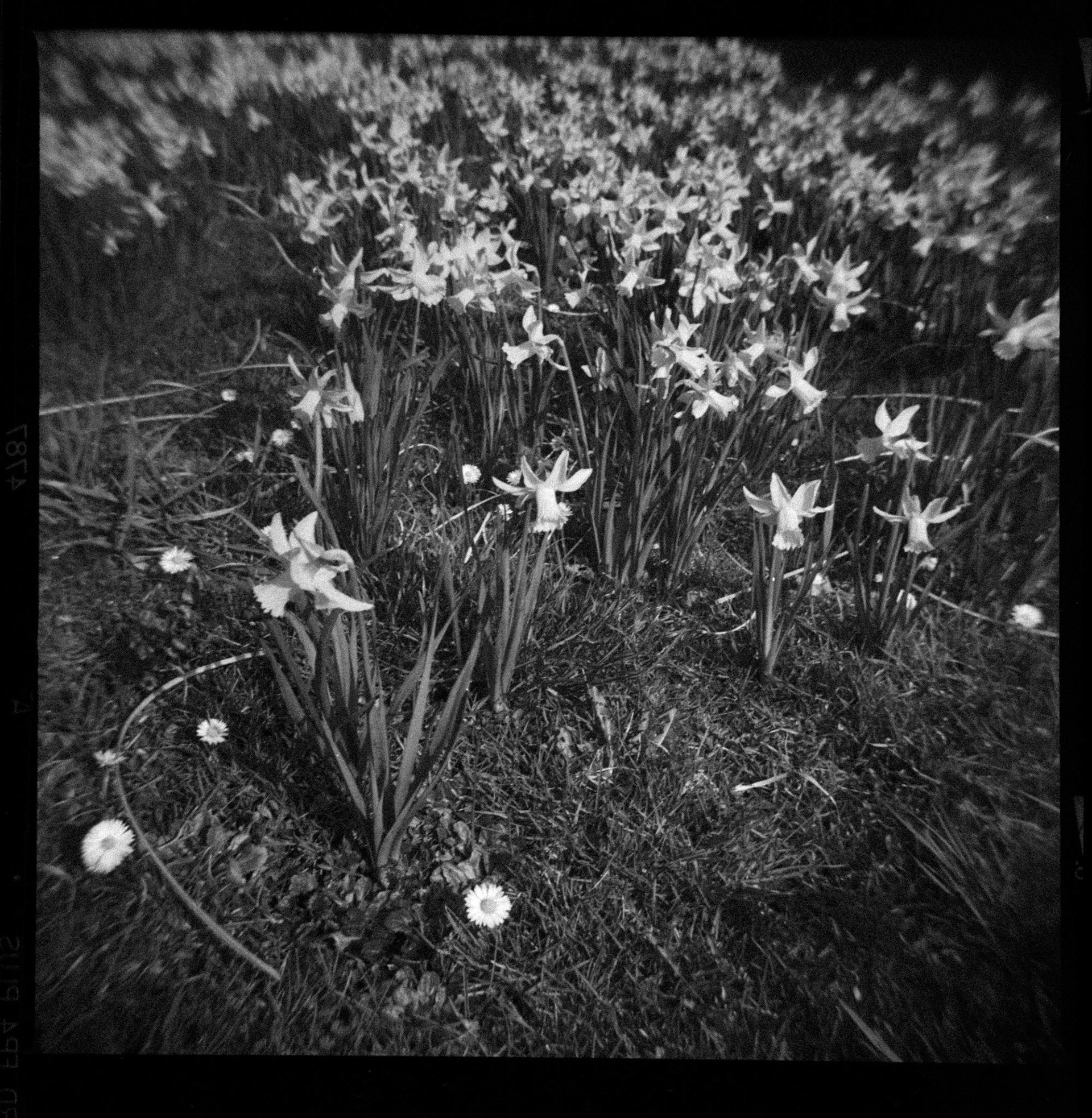
Daffodils
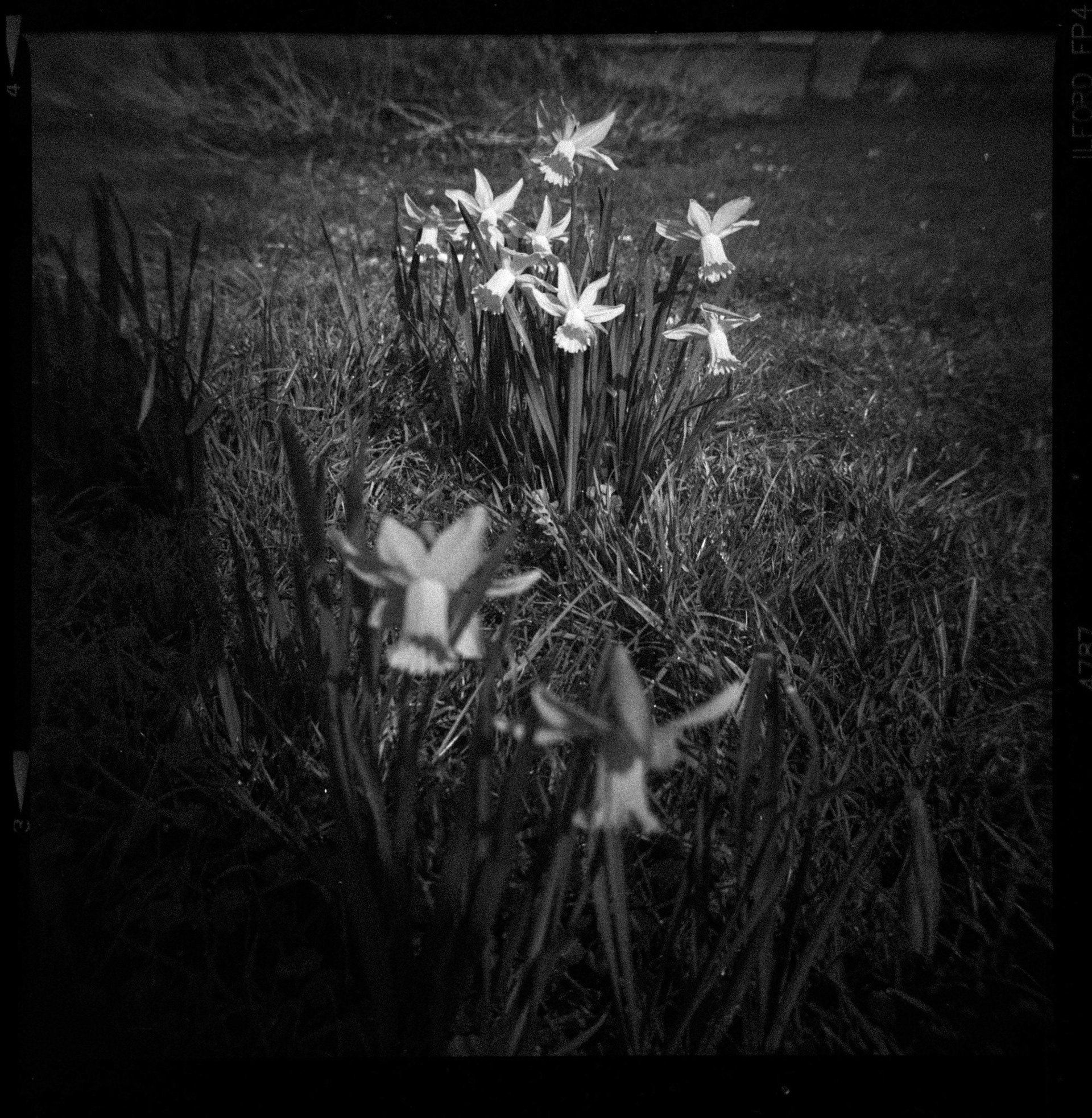
Daffodils close-up
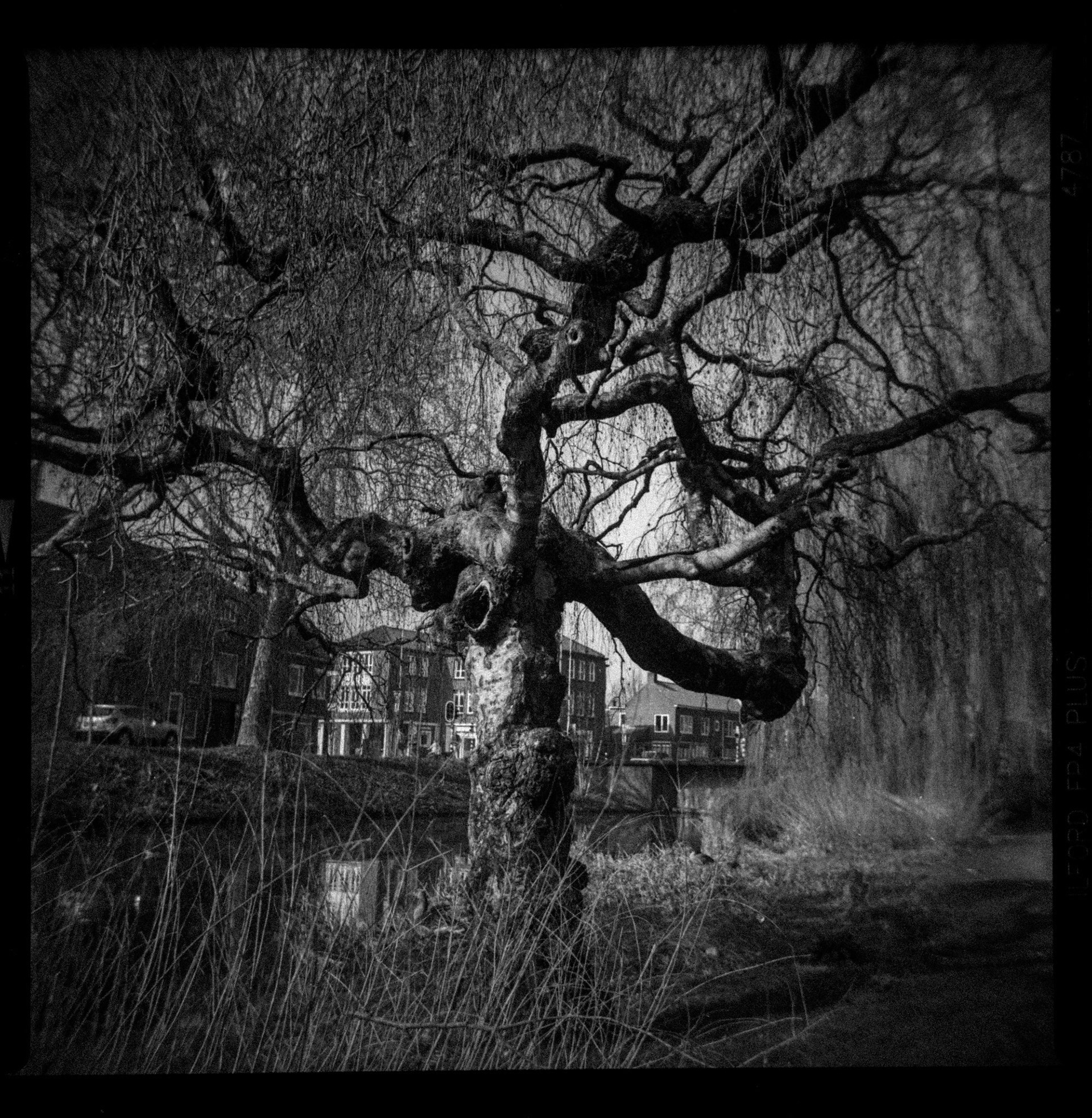
Winding Tree
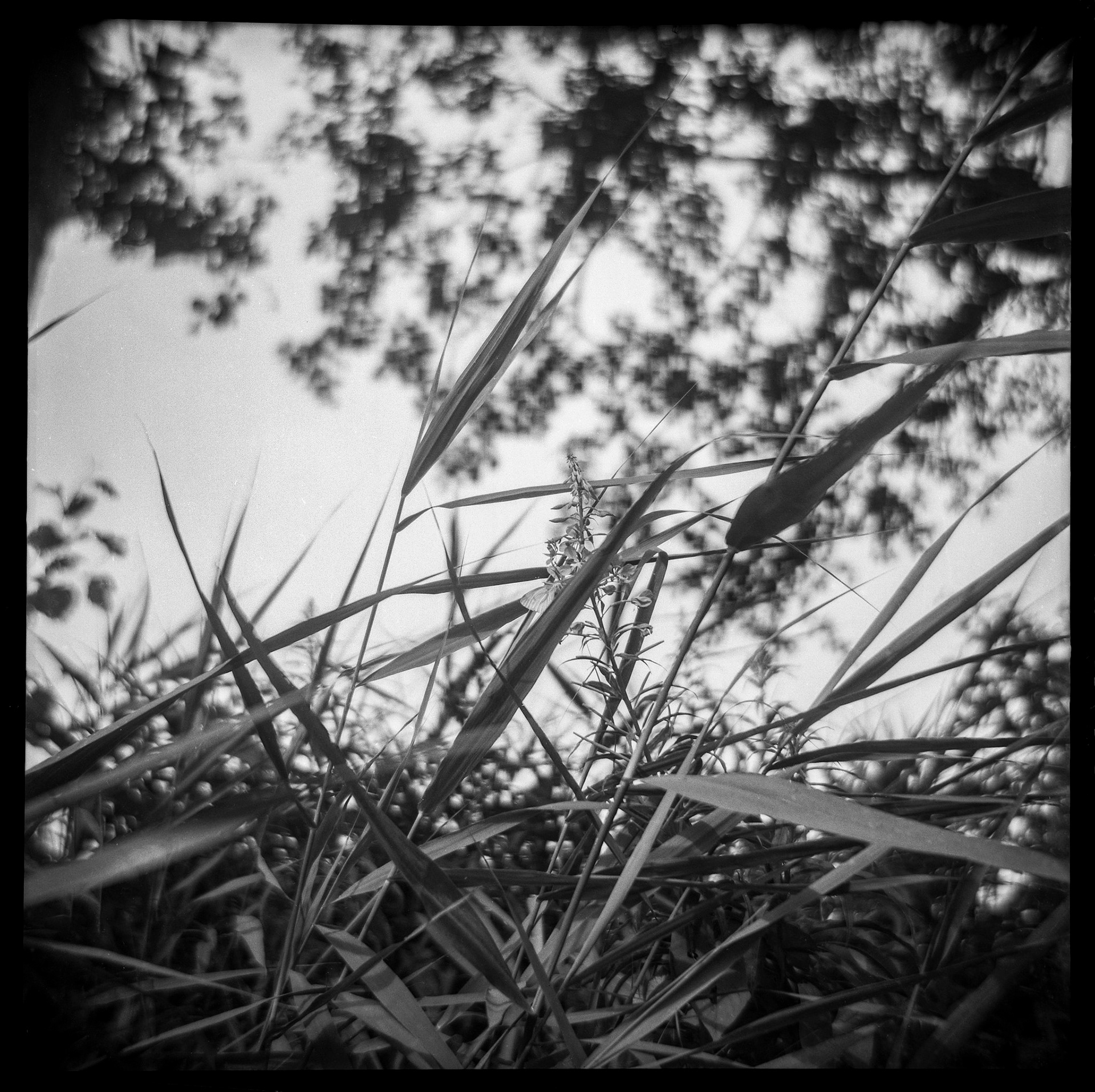
Grass
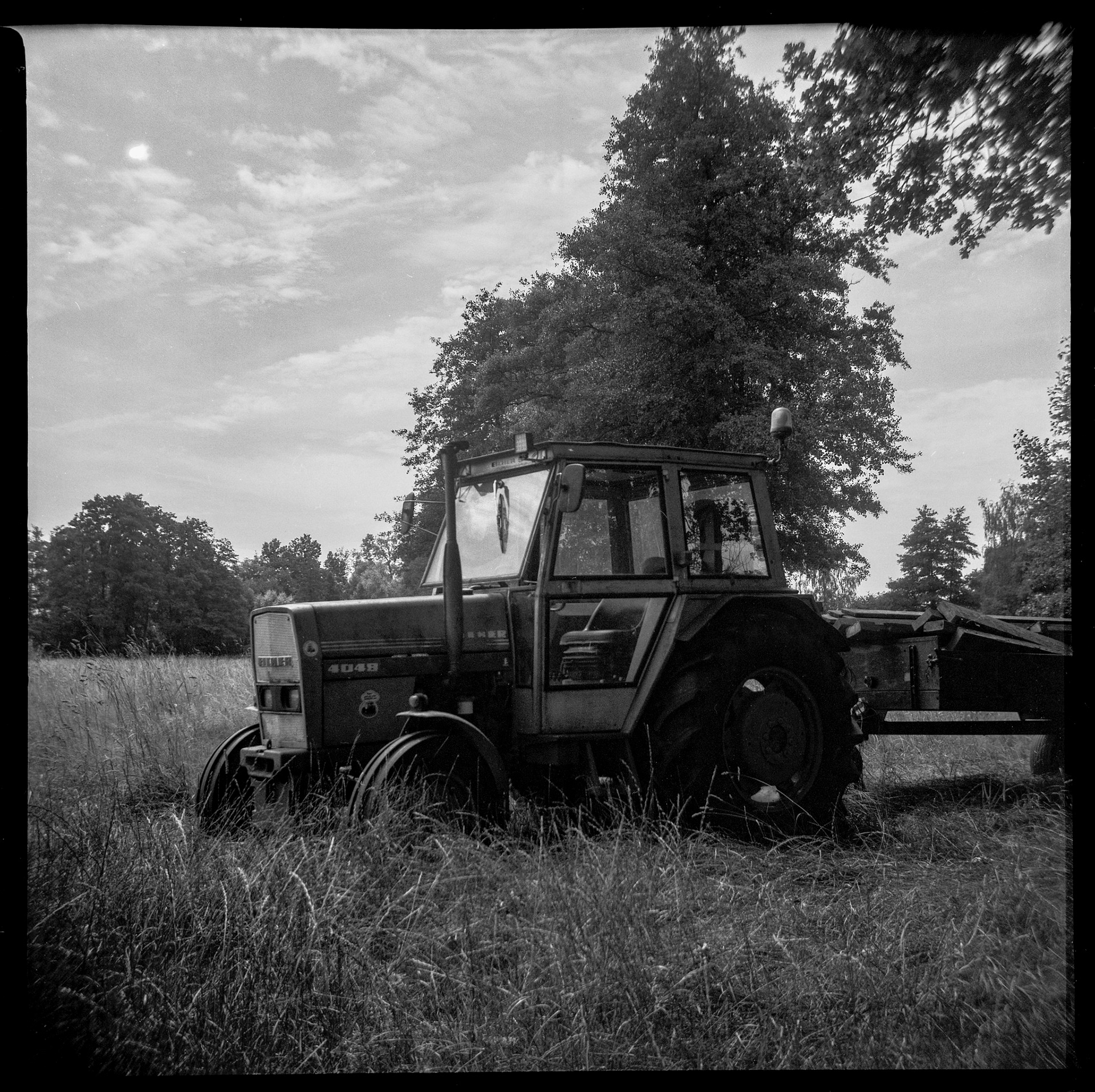
Tractor